Broken Fuel Lines and Psychological Safety: Why Transformation Stalls
A breakdown at sea is a very quick way to realize that a brilliant strategy is useless if the plumbing doesn't work.
I was out on a friend’s boat over the weekend. It was a spectacular day and a perfect setting, until the fuel line split. We had plenty of fuel, but it simply couldn't get to the engine. We tried using the oars, but rowing a heavy boat out of the Venetian lagoon is a losing battle. We were stuck.
Luckily, we managed to flag down a passing boat. We didn’t need a tow, as it turned out. We just needed a bit of basic problem-solving and a plastic funnel. By bypassing the broken line and pouring the fuel straight into the engine, we sputtered our way safely back to shore.
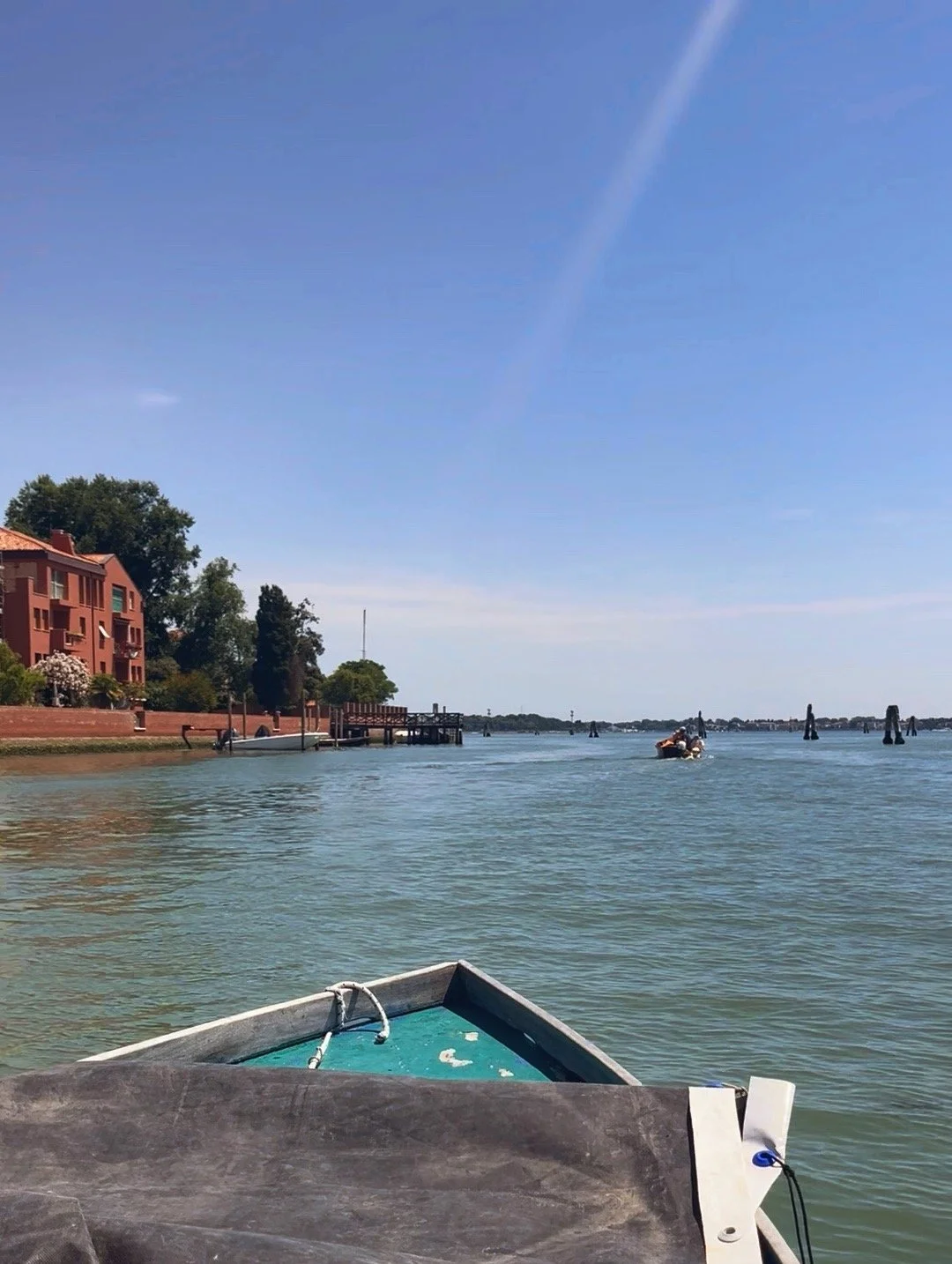
In the lagoon!
The Corporate "Plumbing" Problem
It’s easy to look at that as just a weekend mishap, but it’s actually a powerful lesson in resilience and corporate infrastructure.
Too often in corporate transformation, leadership buys the shiny new engine (the strategy) and pours in the fuel (the budget). But if the internal plumbing is broken—if communication is blocked or people are too intimidated to flag a problem—the energy never reaches the teams on the ground. When a project stalls, the answer isn’t to panic and redesign the whole machine. Sometimes you just need to look at the basic connections.
Because if you don't put people at the centre of the change, you're just sitting in a very expensive asset, drifting.
The Role of Psychological Safety
When things went wrong on the lagoon, we didn't panic or argue. We assessed what we had, admitted we were stuck, and asked for help. In a business context, that’s exactly what psychological safety looks like.
If a team feels safe enough to wave their hands and say, "We’re stranded here," you can fix the problem before the ship sinks. Building a culture where people can openly highlight a bottleneck without fear of blame is the ultimate safety valve for any global initiative.
Have you ever seen a massive corporate project stall simply because the basic internal connections were missed? I’d love to hear your perspectives. Connect with me on LinkedIn to share your thoughts.
